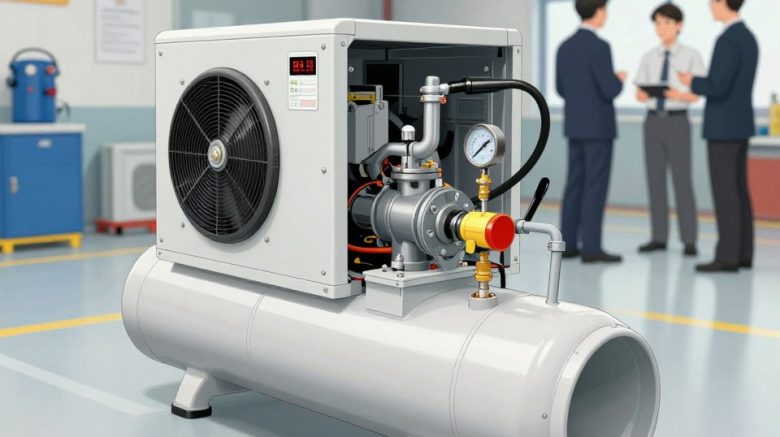
Have you heard that a burst air compression setup can discharge power equal to a dynamite stick? Many workshops continue to employ piping systems constructed of hazardous substances, ignoring the hazards. This guide explains why safety needs to be paramount.
Best Place To Buy PVC Air Lines
In spite of increasing curiosity in certain materials, OSHA rigidly forbids utilizing them in surface settings. With time, exposure to lubricants and temperature changes degrades them, causing catastrophic failures. Even with “safe” pressure ratings, the chance of bursts stays significant.
For reliable alternatives, Installation Parts Supply provides robust solutions like aluminium. Spending on correct supplies eludes costly fines and maintains factories secure. Let’s discover how to build a safer system.
Critical Facts
- The administration forbids specific plastics due to explosion risks.
- PSI limits decrease as temperatures fluctuate.
- Brittleness worsens over time, increasing breakage chances.
- Aluminum tubing provides a more secure alternative.
- Proper investment stops expensive fines and accidents.
Why You Should Avoid PVC For Air Compressor Lines
Makers explicitly caution against utilizing some plastics for high-pressure applications. In contrast to water, compressed air stores volatile power—a burst line can unleash impact similar to explosives. This renders material
choice vital for safety.
- Fragility: Low temps turn pipes fragile, raising shatter potential.
- Glue breakdowns: Connections deteriorate when exposed to compressor oils or thermal cycling.
- Inaccurate specs: Pressure capacity falls 50% at 110°F—many workshops surpass this.

OSHA cites a $110,000 fine following a facility’s piping exploded, harming workers. The “heat of compression” additionally reduces safe operating limits, a factor frequently overlooked in specs.
“Above-ground use of specific polymers for compressed air violates safety regulations owing to explosion risks.”
Metallic options break in a predictable way, bending instead of fragmenting. Conversely, plastic debris from bursts can travel more than fifty ft, embedding in walls or machinery.
Facilities face everyday thermal changes that speed up material degradation. Over 10 years, UV exposure and chemical reactions further weaken structure, transforming minor leaks into major hazards.
Reliable Substitutes For PVC In Air Systems
Aluminum pipe setups beat traditional choices in both protection and performance. With 90% fewer leaks compared to iron pipe, they are a top choice for modern facilities. Their light construction and rust protection make them ideal for long-term use.
Modular aluminum setups save time—no threading required. Installation Parts Supply offers pre-assembled sections that connect easily. A Midwest auto plant reduced work expenses by 40% following adopting this solution.
- Copper Piping: Ideal for sterile areas due to anti-bacterial traits. Needs skilled brazing.
- Stainless Steel: Withstands rust in humid areas like coastal workshops.
- ABS/HDPE: Solvent-proof for labs and plants using solvents.
“Our aluminum retrofit reduced energy waste by fifteen percent—covering costs in a year and a half.”
Tightness is key. Over-tightened joints crack, whereas under-tightened ones drip. Adhere to manufacturer specs—usually 25–30 ft-lbs for aluminum joints.
In food processing settings, NSF-certified choices guarantee clean air. Always align materials to your environment’s demands.
Guide To Selecting Air Piping Materials
Picking the best material for your setup involves balancing price, protection, and performance. A local plant preserved 12k per year by moving to sealed aluminum. Here’s how to take the correct decision.
| Material | Price Per Foot | Maintenance | ROI Time |
|---|---|---|---|
| Aluminium | 8.50 USD | Minimal | 1.5 Years |
| Black Pipe | $5.00 | High | None |
| Copper | $10.20 | Medium | 24 months |
Temperature matters. Aluminum handles extreme temps, while plastics crack in the cold. In areas with chemicals, steel resists solvents.
Expert Tip: Calculate return on investment via air loss math. A ten percent leak in a 50 HP system burns $3,500 per year.
- Align PSI ratings to your machine’s power.
- Verify OSHA compliance for joint checks and stress testing.
- Ask for a free system audit from the supplier.
“The system upgrade reduced wasted power by fifteen percent—breaking even in 1.5 years.”
Self-installs work for hobby garages, but professionals guarantee leak-free joints. Make sure to verify guarantee details—some materials cover 10+ years.
Wrap Up
Picking the proper components for your pneumatic system goes beyond price—it’s about safety. Studies show most breakdowns occur in aged setups, often with dangerous results. Aluminum piping offers 99.8% reliability, rendering it a intelligent lasting investment.
Main points:
- Steer clear of fragile plastics that break under stress.
- Opt for rust-proof alloys like aluminium or steel.
- Non-compliant systems invite citations and insurance issues.
Ready to upgrade? Our team provides fast estimates and special deals on starter kits. Download our free checklist or call for urgent parts.
Dedicate yourself to safer piping now—your team’s safety depends on it.
Related: How Vegas Cleaning Services Improve Indoor Air Quality